

Call To Schedule A
Consultation Today
Consultation Today
- Tel: 561-686-6200
- Fax: 561-686-0303
Millions of Americans are currently caring for an elderly family member or friend at home, without receiving regular compensation. Depending on the circumstances, however, it may actually be bene-ficial for both parties to enter into a care contract wherein the caregiver accepts payment for the care they are providing their loved one and also… Read More »


Medicaid was established in 1965 under Title XIX of the Social Security Act. Medicaid is a Federal-State program of medical assistance that was established for low-income individuals who are aged, blind or disabled. Since 1965, the Medicaid program has been expanded to cover many more than just the very poor or disabled. Medicaid covers… Read More »
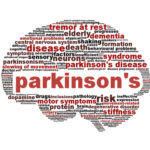
Heart Disease: Coronary heart disease is the foremost cause of death in the United States. Heart disease often leads to heart attacks. A heart attack is a life or death emergency. People having heart attacks can benefit from medication and treatments that have been developed in recent decades. Usually, the selected treatment must be… Read More »

It is important for Elder Law Attorneys to understand some of the basics pertaining to the medical conditions suffered by their clients. Depression: Depression is a serious medical illness affecting 15 million American adults, or approximately five to eight percent of the adult population. Major depression is persistent and can significantly interfere with an… Read More »

It is important for Elder Law Attorneys to understand the medical conditions that afflict their clients. Chronic Obstructive Pulmonary Disease (C.O.P.D.) C.O.P.D. is a disease that damages the lungs, which causes distress when the individual tries to breathe. The airways that carry air in and out are at least partially obstructed. The most common… Read More »

Nine out of ten American retirees say that they want to stay at home, to be cared for in their familiar surroundings. An AARP survey indicates that there is a trend toward more Americans staying at home. Under the program known as the “Balancing Incentive Payment Program” which is one of several of the… Read More »

On February 2nd, 2016, the Centers for Medicare and Medicaid Services (CMS) announced that a final ruling has been issued to define that Medicaid recipients do not need to be homebound to receive home health services. Also, the latest ruling, which overturns Medicaid home health regulations (42 C.F.R. / 440.70 © (1-2), defines that… Read More »

Irrevocable trusts are often used as a tool to help a client with long term care (LTC) planning. This is the case, especially in proactive situations. The income taxation of trusts is odd because a trust can be disregarded for income tax purposes as a grantor trust. The trust can pay taxes. A trust… Read More »

The financing of health care is expected to be the major problem facing elderly Americans in the future. Medicare, Medicaid, managed care and traditional private insurance programs must be included in the planning for the future. Americans with chronic acute health problems that require hospital care and doctor care are covered by the Medicare… Read More »

The protests of patient advocates and support groups have finally been acknowledged by the Centers for Medicare and Medicaid Services. The CMS has revised earlier guidance that required hospice patients covered by Medicare Part D to get prior authorization of all their drugs. Medicare’s hospice benefit sometimes pays for medications under Part D provisions…. Read More »