

5 Estate Planning Mistakes Florida Families Should Avoid
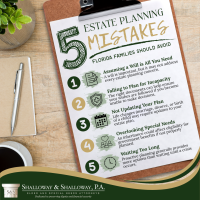
National Estate Planning Awareness Week | October 19–25, 2026
Estate planning is one of the most important steps individuals and families can take to protect their loved ones and prepare for the future. Yet many Florida residents put off creating an estate plan, assume a simple will is sufficient, or overlook important details that could create complications down the road.
A comprehensive estate plan does more than determine who inherits your assets. It can help protect your financial interests, establish your healthcare preferences, provide for loved ones with disabilities, and ensure trusted individuals have the legal authority to act on your behalf when necessary.
In recognition of National Estate Planning Awareness Week, here are five common estate planning mistakes Florida families should avoid.
1. Assuming a Will Is All You Need
A last will and testament is an important estate planning document, but it may not accomplish everything you expect.
In Florida, a will generally directs how assets subject to probate should be distributed after death. However, having a will does not automatically prevent your estate from going through probate.
Additionally, certain assets, such as jointly owned property with survivorship rights, accounts with designated beneficiaries, and assets held in a properly funded trust, may pass outside the probate process.
Depending on your circumstances, a comprehensive estate plan may also include:
- A revocable living trust
- Durable power of attorney
- Healthcare surrogate designation
- Living will
- Beneficiary designations
The takeaway: A will is often just one component of an effective estate plan. The appropriate combination of documents depends on your assets, family circumstances, and long-term goals.
2. Failing to Plan for Incapacity
Estate planning isn’t only about what happens after you die. It’s also about protecting yourself if you become unable to make important decisions during your lifetime.
An unexpected illness, accident, or cognitive decline could leave you unable to manage your finances or communicate your healthcare preferences.
Without appropriate legal documents, your loved ones may need to pursue a court-supervised guardianship to obtain authority to make certain decisions on your behalf.
Florida residents should consider several important documents:
Durable Power of Attorney: Allows a designated individual to handle specified financial and legal matters on your behalf.
Designation of Healthcare Surrogate: Authorizes someone you trust to make healthcare decisions when you are unable to do so, subject to the document’s terms and applicable Florida law.
Living Will: Communicates your preferences regarding certain end-of-life medical treatments.
The takeaway: Planning for incapacity can help reduce uncertainty, avoid unnecessary complications, and provide guidance to the people you trust most.
3. Not Updating Your Estate Plan After Major Life Changes
Creating an estate plan is an important accomplishment, but it shouldn’t be a one-time event.
As your circumstances change, your estate planning documents may no longer reflect your wishes or adequately protect your loved ones.
Major life events that should prompt an estate plan review include:
- Marriage or divorce
- Birth or adoption of a child or grandchild
- Death of a spouse, beneficiary, or designated decision-maker
- Significant changes in assets or financial circumstances
- Changes in a loved one’s health or support needs
- Relocation to Florida from another state
For example, Florida has specific laws governing homestead property, spousal rights, and estate administration. An estate plan prepared in another state may need to be reviewed to ensure it works as intended under Florida law.
Beneficiary designations on retirement accounts, life insurance policies, and other financial assets should also be reviewed periodically. These designations can control how assets are distributed, regardless of what your will says.
The takeaway: Reviewing your estate plan regularly, particularly after significant life events, helps ensure your documents continue to reflect your wishes and circumstances.
4. Overlooking the Needs of Beneficiaries With Disabilities
Leaving an inheritance to a loved one with disabilities requires careful consideration, particularly if that individual receives government benefits.
Programs such as Supplemental Security Income (SSI) and certain Medicaid benefits have financial eligibility requirements. A direct inheritance could affect eligibility for these means-tested programs.
For some families, a properly structured special needs trust may allow assets to be used to enhance a beneficiary’s quality of life while helping preserve eligibility for important public benefits.
Special needs planning may also involve identifying appropriate trustees, coordinating beneficiary designations, and considering the individual’s long-term care and support needs.
Because different government benefit programs have different eligibility rules, it is important to understand which benefits a loved one receives before deciding how to leave them an inheritance.
The takeaway: Thoughtful estate planning can help provide financial support for a loved one with disabilities without unintentionally jeopardizing essential benefits.
5. Waiting Too Long to Start Planning
One of the most common estate planning mistakes is assuming there’s always more time.
Many people delay creating an estate plan because they believe they’re too young, don’t have enough assets, or simply find the subject uncomfortable.
However, unexpected circumstances can arise at any age.
Waiting until a serious illness or other crisis occurs may limit available planning options, particularly if an individual no longer has the legal capacity to execute certain documents.
Proactive estate planning provides an opportunity to make thoughtful decisions, discuss your wishes with loved ones, and establish appropriate legal protections before they’re urgently needed.
It can also help families avoid unnecessary confusion and disputes during already difficult circumstances.
The takeaway: Estate planning isn’t just for older adults or wealthy individuals. It’s an important consideration for anyone who wants to protect their interests and provide clarity for their loved ones.
Take the First Step Toward Protecting Your Family’s Future
National Estate Planning Awareness Week serves as an important reminder that planning for the future shouldn’t be postponed.
Whether you’re creating your first estate plan, updating existing documents, or considering how to provide for a loved one with special needs, taking a proactive approach can help protect the people and priorities that matter most.
At Shalloway & Shalloway, P.A., our attorneys assist Florida individuals and families with estate planning, elder law, special needs planning, and related legal matters.
Contact our office to discuss your estate planning needs and learn how we can help you prepare for the future.