

Preparing for the Future: Legal Planning After an Alzheimer’s Diagnosis
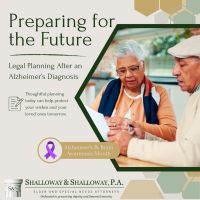
June is Alzheimer’s & Brain Awareness Month, a time dedicated to raising awareness about Alzheimer’s disease and other forms of dementia. Local organizations such as Alzheimer’s Community Care work year-round to provide education, support services, and resources for individuals and families affected by memory disorders. For those looking to learn more about Alzheimer’s disease, symptoms, and available support, educational resources are available through Alzheimer’s Community Care.
While every family’s journey is different, one important step that is often overlooked is legal planning. Taking proactive measures early can help ensure that personal wishes are honored and that loved ones are prepared to assist when needed. If you haven’t prepared early, it’s OK… don’t panic. Legal planning after an Alzheimer’s diagnosis is more urgent, but an experienced elder law attorney will help get all documents in order in an appropriate timeline.
Understanding the Importance of Early Planning
Alzheimer’s disease is a progressive condition that can affect memory, judgment, communication, and decision-making abilities over time. Although symptoms may develop gradually, the ability to make legal and financial decisions can become more limited as the disease progresses.
This is why planning early is so important.
Creating legal documents while an individual can still actively participate in the decision-making process allows:
- them to express their wishes
- choose trusted decision-makers
- establish a plan for the future
Waiting until a crisis occurs may limit available options and create additional stress for family members.
Key Legal Documents to Consider
After an Alzheimer’s diagnosis, it may be beneficial to review existing estate planning documents or create new ones if they are not already in place.
Some important planning tools may include:
Durable Power of Attorney
A Durable Power of Attorney allows an individual to appoint a trusted person to handle financial and legal matters if they become unable to do so themselves. This may include managing bank accounts, paying bills, handling insurance matters, and overseeing other financial responsibilities.
Designation of Healthcare Surrogate
This document allows a person to designate someone they trust to make healthcare decisions on their behalf if they are unable to communicate their wishes.
Living Will
A Living Will provides guidance regarding certain medical decisions and end-of-life care preferences. Having these wishes documented can help provide clarity for loved ones during difficult times.
Trust and Estate Planning Documents
Trusts and other estate planning tools may help families organize assets, provide instructions for future management, and ensure wishes are carried out according to the individual’s goals and circumstances.
Planning for Future Care Needs
In addition to legal documents, families may also benefit from discussing future care needs sooner rather than later.
Questions to consider may include:
- Where would the individual prefer to receive care?
- What support systems are currently available?
- How might long-term care costs impact financial resources?
- What steps can be taken to protect assets while preparing for future care needs?
These conversations can be difficult, but having them early often allows families to make thoughtful decisions rather than rushed ones during a crisis.
Starting the Conversation
Many families avoid discussing topics such as incapacity, long-term care, and future planning because they can feel overwhelming. However, open communication can be one of the most valuable tools available.
An Alzheimer’s diagnosis does not mean all decisions must be made immediately. Instead, it provides an opportunity to begin important conversations, review existing plans, and make adjustments while the individual can still participate in the process.
Looking Ahead with Confidence
An Alzheimer’s diagnosis can bring uncertainty, but it can also serve as a reminder of the importance of planning ahead. By taking proactive steps today, individuals and families may gain greater peace of mind knowing that important decisions have been documented and trusted individuals have been empowered to help when needed.
During Alzheimer’s & Brain Awareness Month, families are encouraged to learn more about the planning options available to them and take steps toward protecting their future, their wishes, and their loved ones.
Is It Time to Review Your Plan?
Life changes, diagnoses, and evolving family circumstances can all affect an existing estate or long-term care plan. Alzheimer’s & Brain Awareness Month serves as a valuable reminder to review important legal documents and ensure they continue to align with your goals.
If it has been several years since your documents were prepared, or if a recent diagnosis has raised new questions, it may be beneficial to discuss your planning options with an experienced elder law attorney.
FAQs
When should legal planning after an Alzheimer’s diagnosis begin?
The best time to begin legal planning is as early as possible, while the individual can still actively participate in important decisions regarding finances, healthcare, and future care preferences.
Can a person with Alzheimer’s still create/sign legal documents?
Possibly. The ability to sign legal documents depends on whether the individual has the necessary legal capacity at the time the documents are executed. Because capacity can change over time, it is important to address planning needs as soon as possible.
What legal documents should be reviewed after an Alzheimer’s diagnosis?
Families often review powers of attorney, healthcare directives, living wills, trusts, and estate planning documents to ensure they accurately reflect the individual’s wishes and future needs.
Why is a Durable Power of Attorney important for someone with Alzheimer’s?
A Durable Power of Attorney allows a trusted individual to manage financial and legal matters if the person with Alzheimer’s becomes unable to handle those responsibilities independently.