
Author Archives: lindsey@hopkinsdigitalmarketing.com
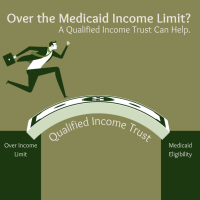
What Is a Qualified Income Trust (QIT)? A Guide to Medicaid Eligibility in Florida
A Qualified Income Trust (QIT), also known as a Miller Trust, is a specialized legal tool used in Medicaid planning. Unlike other types of trusts that are designed for probate avoidance or asset protection, a QIT serves one very specific purpose: helping individuals qualify for Florida Medicaid long-term care benefits when their income exceeds… Read More »
Guardianship and Medicaid Planning in Florida: What Families Need to Know
It can be incredibly overwhelming when a loved one starts to lose the ability to make decisions for themselves. Cognitive decline doesn’t always follow a clear path. It can come on suddenly or develop slowly over time. Understanding Florida guardianship and Medicaid planning is essential when a loved one begins to lose capacity. At… Read More »

Long-Term Care Medicaid in Florida: How Married Couples Can Protect Assets
How Florida Couples Use Long-Term Care Medicaid & the Spousal Refusal Strategy By: Mark Shalloway, Certified Elder Law Attorney When a spouse needs home health care, assisted living, or nursing home placement, many Florida families believe they must spend down their life savings before qualifying for Florida Long-Term Care Medicaid. Though that belief is… Read More »
How to Pay for Nursing Home & Other Long Term Care
Understanding Medicaid and Long-Term Care Costs Many people believe they must spend all their savings or have long-term care insurance to afford nursing home or assisted living care. Fortunately, Medicaid—a joint federal and state program—can cover these costs after certain requirements are met. With proper planning, you do not have to deplete your life… Read More »

Planning for the SSI Benefit
Understanding SSI Eligibility and Asset Limits To qualify for Supplemental Security Income (SSI), a recipient’s total countable assets or “resources” cannot exceed $2,000. Some resources are excluded from this limit, such as a primary home, a vehicle of limited value, certain personal property, or a bank account set aside for burial expenses. When a… Read More »
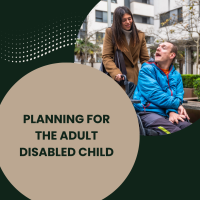
Planning for the Adult Disabled Child
Transitioning to Adulthood: SSI and Medicaid John, age 17, has autism and lives with his parents. His mother is his full-time caregiver, but due to his father’s high income, John is not eligible for Supplemental Security Income (SSI) as a minor. However, when John turns 18, only his own income and resources are considered… Read More »
Why Consider a Living Trust Even If You Have a Will?
The Limits of a Will A will only goes into effect after you die and must be verified by the Probate Court before it can be enforced. It does not avoid probate, and offers no protection if you become incapacitated. The court could take control of your assets before you die, leaving your family… Read More »
The Qualified Income Trust
The Problem Florida enforces an income cap for Medicaid eligibility when it comes to institutional care, such as long-term custodial nursing home care. This cap is set by Florida Statutes Section 409.904 and is typically three times the SSI limit. For example, in 2000, the income cap was $1,536 per month. However, the average… Read More »

Estate Planning for Parents of Children with Special Needs
Third Party Special Needs Trusts A third party special needs trust is an essential part of estate planning for families with a child who has special needs. Loved ones can create this type of trust for a child or family member with special needs, funding it through their will, life insurance, or other estate… Read More »
Home Ownership for Individuals with Disabilities
Using a Special Needs Trust to Purchase a Home If a home is purchased in the name of a Special Needs Trust (SNT), the trust can buy a house for a beneficiary with disabilities without affecting their eligibility for public benefits. The home, owned by the SNT, is not considered a resource of the… Read More »