
Medicaid Strategies: Income-Producing Rental Properties

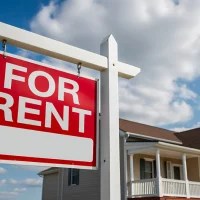
For many Florida seniors, rental real estate represents an important source of financial security. A rental home, condominium, or other income-producing property may provide monthly income that helps pay for living expenses and supports a comfortable retirement. But when long-term care becomes necessary, owning rental property can raise complicated Medicaid planning questions. Can a senior keep a rental property and still qualify for Medicaid? What happens to the rental income? And can rental property be used as part of a broader Medicaid planning strategy?
The answers depend on how the property is owned, how much income it produces, the owner’s circumstances, and the timing of any transfers. At Shalloway & Shalloway, P.A., we help Florida families in West Palm Beach evaluate income-producing property as part of a comprehensive Medicaid long-term care planning strategy. Proper planning can help families understand how rental real estate affects eligibility while avoiding unnecessary mistakes that could delay Medicaid coverage.
How Medicaid Treats Rental Property
Medicaid eligibility is based on financial criteria, but not every asset is treated the same way. A rental property that produces income can be particularly complicated because it may represent both an asset and a source of income. For Medicaid purposes, the value of the property may be relevant when determining whether an applicant has too many countable resources. At the same time, the rental payments may constitute income that must be considered when determining eligibility and the applicant’s contribution toward the cost of care. This does not necessarily mean that a senior must sell a rental property before qualifying for Medicaid. Depending on the circumstances, there may be legitimate planning options that allow the property to remain part of the family’s financial plan.
Rental Income and Medicaid Eligibility
A common misconception is that owning rental property automatically disqualifies someone from Medicaid. That is not necessarily true. The rental income itself generally must be reported and considered when determining Medicaid eligibility. For a person receiving Medicaid-covered nursing home care, income is also generally relevant to determining the amount the individual must contribute toward the cost of care. Florida Medicaid nursing facility services can cover 365 days of all-inclusive nursing facility services per year for an eligible recipient occupying a Medicaid-certified bed. Covered services include room and board, nursing services, medical supplies and equipment, personal hygiene care, and rehabilitative services. The important point is that Medicaid planning is not necessarily about eliminating income. Instead, the goal is to understand how income and assets are treated under the applicable rules and structure the family’s finances accordingly.
Can Rental Property Be Protected?
Whether a rental property can be retained depends heavily on the circumstances. Medicaid planning should distinguish between the property itself and the income it generates. For example, a rental property may have significant equity but produce relatively modest monthly income. Selling the property could convert a potentially productive asset into cash that is more readily treated as a countable resource. On the other hand, continuing to own the property may create income and asset issues that need to be addressed. There is no universal rule that says a person applying for Medicaid must sell every property other than their home. Instead, the property’s ownership, value, income, expenses, and the applicant’s overall financial circumstances need to be evaluated together.
Using Rental Property in Medicaid Planning
An income-producing property may be considered as part of several different Medicaid planning approaches. In some circumstances, the property may be retained. In others, a transfer or restructuring may be appropriate. For example, a family may consider transferring an interest in rental real estate to an irrevocable trust as part of advance Medicaid planning. However, transfers of assets can have significant Medicaid consequences. Florida Medicaid applies a five-year look-back period to certain uncompensated transfers, meaning that transferring property for less than fair market value can result in a period of Medicaid ineligibility. That makes timing particularly important. A strategy that might be effective when implemented years before long-term care is needed could have very different consequences if attempted shortly before a Medicaid application.
Why Rental Property Should Not Be Given Away Without Planning
One of the most dangerous misconceptions about Medicaid planning is that a senior should simply give valuable assets to children or other relatives before applying for Medicaid. Transferring a rental property to a child without careful planning can create multiple problems. The transfer could result in a Medicaid penalty, and the recipient could face tax consequences or other financial complications. The senior may also lose control over an important source of income. A Medicaid planning attorney can evaluate whether a proposed transfer is permissible, how the look-back rules could apply, and whether another strategy would better protect the family’s interests.
Rental Properties and the Family’s Long-Term Financial Plan
Rental property can be more than an asset on a Medicaid application. It may also be part of a family’s long-term financial and estate plan. A rental property may generate income for a spouse who remains at home while the other spouse enters a nursing facility. Medicaid’s rules include protections for spouses who remain in the community, and coordinating rental income with those protections can be an important part of planning. The property may also ultimately be intended for children or other heirs. Decisions about ownership, income, management, and eventual transfer should therefore be coordinated with the family’s estate plan rather than made solely for purposes of qualifying for Medicaid.
What About the Expenses of Maintaining the Property?
Rental income is rarely the same as pure profit. Property owners may have mortgage payments, property taxes, insurance, repairs, maintenance, utilities, management expenses, and other costs. These expenses can complicate the financial analysis. Families should maintain thorough records showing the property’s income and legitimate expenses. Accurate documentation can be particularly important when Medicaid reviews an applicant’s financial history. The treatment of rental income and expenses can depend on the particular circumstances, so families should not assume that every property expense will automatically be deducted when determining Medicaid eligibility or a patient’s required contribution.
Planning Early Is Particularly Important
Rental real estate is an asset that generally cannot be restructured overnight. If a senior owns a property with substantial equity, there may be limited options for protecting that asset after a nursing home admission has already occurred. Advance Medicaid planning provides more opportunities. Families can evaluate ownership structures, trusts, estate planning goals, rental income, and potential long-term care needs before a crisis develops.
Florida Medicaid’s current reimbursement and long-term care framework is administered by the Florida Agency for Health Care Administration, which publishes current nursing home reimbursement information and program materials. Understanding the rules governing eligibility and the rules governing Medicaid reimbursement are both important, but they address different aspects of the program.
Rental Property Does Not Have to Mean Losing Medicaid Eligibility
Owning an income-producing rental property does not automatically mean a senior cannot qualify for Medicaid. At the same time, rental property should never be treated as automatically exempt from Medicaid’s financial rules. The right strategy depends on the property’s value, the amount of rental income, ownership structure, the senior’s other assets and income, marital status, timing, and long-term goals. Trying to make a last-minute transfer without understanding the Medicaid consequences can make an already difficult situation substantially more complicated.
At Shalloway & Shalloway, P.A., we help seniors and their families in West Palm Beach evaluate rental properties and other assets as part of comprehensive Medicaid planning. If you own an income-producing property and are concerned about the cost of future nursing home care, contact Shalloway & Shalloway, P.A. today. We can help you understand how your rental property fits into your Medicaid and long-term care plan and identify lawful strategies for protecting your family’s financial future.